December 2016 Archive: Party Planning and Baking Posts
By Claire Whitmore · Published · Updated · 4 min read
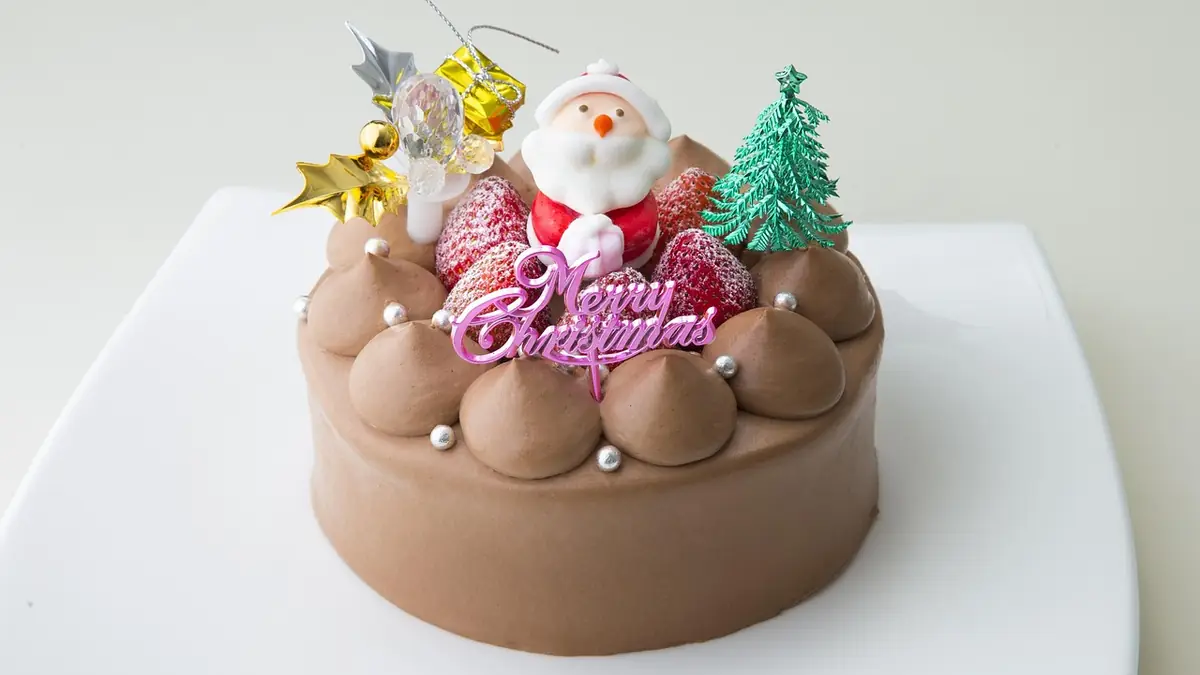
December is the month when home bakers take on the most ambitious projects of the year, and the posts from December 2016 leaned into that: cold-weather cake flavors, frosting that survives a warm kitchen, and color schemes that feel festive without tipping into novelty. If you found this archive page while hunting for a specific recipe or checklist, start with the summaries below.
Everything here was written for real kitchens with real constraints, limited oven space, unpredictable guests, and a party that starts whether or not the buttercream has set. Browse the roundup, then follow the links to the full articles.
What December Baking Actually Demands
Holiday baking compresses a month of work into a few crowded weekends. Most home ovens hold two 8-inch pans at a time, so a three-layer cake means at least two baking rounds plus cooling time, roughly 90 minutes before frosting even begins. Planning backward from the serving hour, not the party start, is the single most useful habit we picked up that winter.
Butter also behaves differently in December. A kitchen that sits near 65°F keeps buttercream stiff and easy to pipe, while a house full of cooking and guests pushes it toward 75°F or higher, where frosting softens fast. Recipes that assume a cool room often fail on the day itself, so the posts below treat temperature as an ingredient, not an afterthought.
- Bake layers 1–2 days ahead and freeze them wrapped
- Chill frosting bowls between piping stages
- Keep the serving room under 75°F if possible
- Leave 90 minutes for baking rounds alone
Seasonal Flavors That Suit Cold Weather
December palates lean toward warmth: brown butter, toasted spice, citrus zest, dark chocolate, and dried fruit. A cake built on those notes holds up well against mulled drinks and heavy savories, where a light berry filling can taste thin. Nut flours, almond and hazelnut especially, add moisture and keep well at cool room temperature for a few days.
Timing matters as much as the flavor list. If the same cake appears at three gatherings in ten days, rotate the accent rather than the base, one version with cranberry compote, another with candied orange and dark chocolate. It saves shopping and keeps guests from noticing repetition. For a fuller approach, see How to Match Cake Flavors to a Seasonal Menu.
Frosting Through the Holiday Rush
Buttercream versus cream cheese is the classic December dilemma: buttercream pipes cleanly and tolerates a warm room, while cream cheese tastes brighter but slackens quickly and should be treated as a serve-soon frosting. For anything that sits out for more than two hours, a butter-based American or Swiss buttercream is the safer bet. The trade-offs are laid out in Buttercream vs. Cream Cheese Frosting: Which to Use When.
Outdoor gatherings, or a kitchen that doubles as the buffet, create the classic melt scenario: a beautifully piped cake that slumps by dessert. Practical fixes include a 20-minute chill after crumb coating, a cold pack under the cake board, and keeping the finished cake in the coolest room until serving. The full set of tricks is in How to Keep Frosting From Melting at Outdoor Parties.
Colors and Tables for Winter Parties
Winter palettes work best when you pick one saturated anchor and let everything else recede. Deep evergreen, burgundy, or navy against cream and brass reads festive without decoration overload. Adding a metallic is optional but forgiving: it hides smudges on cake boards and reflects candlelight once the room dims. Two or three colors plus a neutral is enough for a table of any size.
Month-by-month palettes help if you plan several events in a season, since you can reuse linens and serving pieces across a December dinner and a January gathering. A short guide to shifting shades month to month is here: Seasonal Party Colors by Month: A Simple Palette Guide.
| Guests | Pan size and layers | Approx. servings | Frosting type | Bake-ahead window |
|---|---|---|---|---|
| 6–8 | 6-inch, 2 layers | 8–10 | Cream cheese | 1–2 days, frozen |
| 10–14 | 8-inch, 2 layers | 16–20 | American buttercream | 2 days, frozen |
| 15–20 | 9-inch, 2 layers | 20–24 | Swiss buttercream | 2–3 days, frozen |
| 20–30 | 9-inch, 3 layers | 28–34 | American buttercream | 3 days, frozen |
| 30–40 | Two 9-inch cakes | 40–48 | Buttercream, chilled | 3 days, frozen |
Serving Math for a Crowded Room
The most common December error is overbaking. A 9-inch round cake cut in standard party slices yields roughly 12–16 servings, and a two-layer 8-inch cake about 20–24. When a dessert table also holds cookies and a pie, most guests take one modest slice, so plan on about 80 percent of your headcount. Leftover cake is better than a bare platter, but two-thirds of a cake is wasteful work.
Afternoon tea is its own math: small portions, many items, and a slower pace. A first tea for eight to ten guests is manageable with one cake, one batch of scones, and three savory items. The logistics, from kettle timing to seating, are covered in A Checklist for Hosting Your First Afternoon Tea.
A Simple December Work Plan
The posts that month converged on one schedule. Three days out, shop and toast spices. Two days out, bake layers, cool fully, wrap, and freeze. One day out, make frosting and store it covered at room temperature, then crumb coat in the evening. On the day itself, finish the decorative layer in the morning, refrigerate, and pull the cake out 30 to 45 minutes before serving so the texture softens.
Equally important is what not to do: don't decorate a warm cake, don't refrigerate an unfrosted sponge uncovered, and don't attempt a new technique on the day. December rewards repetition and punishes experiments. Pick a cake you have made twice, then spend your energy on the table and the guests.
Looking Back at the Archive
Archives like this one are useful less as a time capsule and more as a seasonal index. The advice on frosting temperatures and serving counts does not expire, and the flavor notes hold up whether you are planning a December 2016-style dinner or this year's holiday table. Use the summaries above to find the post you need, and adapt quantities to your own guest list.
If you bake only one thing from this month, make it a sturdy butter cake with a buttercream you trust, and give yourself the extra hour. That single decision solves most of what goes wrong in December kitchens.
- Bake and freeze layers 1–3 days ahead; frost on the day before or the morning of.
- Buttercream holds up in warm rooms far better than cream cheese frosting.
- Plan roughly 0.8 servings per guest when other desserts are on the table.
- Keep the serving room under 75°F and chill the cake briefly after crumb coating.
Claire has spent years planning seasonal parties and baking for friends, family and community events. She writes practical guides on cake quantities, dessert tables and stress-free hosting. Her focus is on simple, tested advice that helps home bakers feel confident.