Seasonal Party Colors by Month: A Simple Palette Guide
By Claire Whitmore · Published · 5 min read
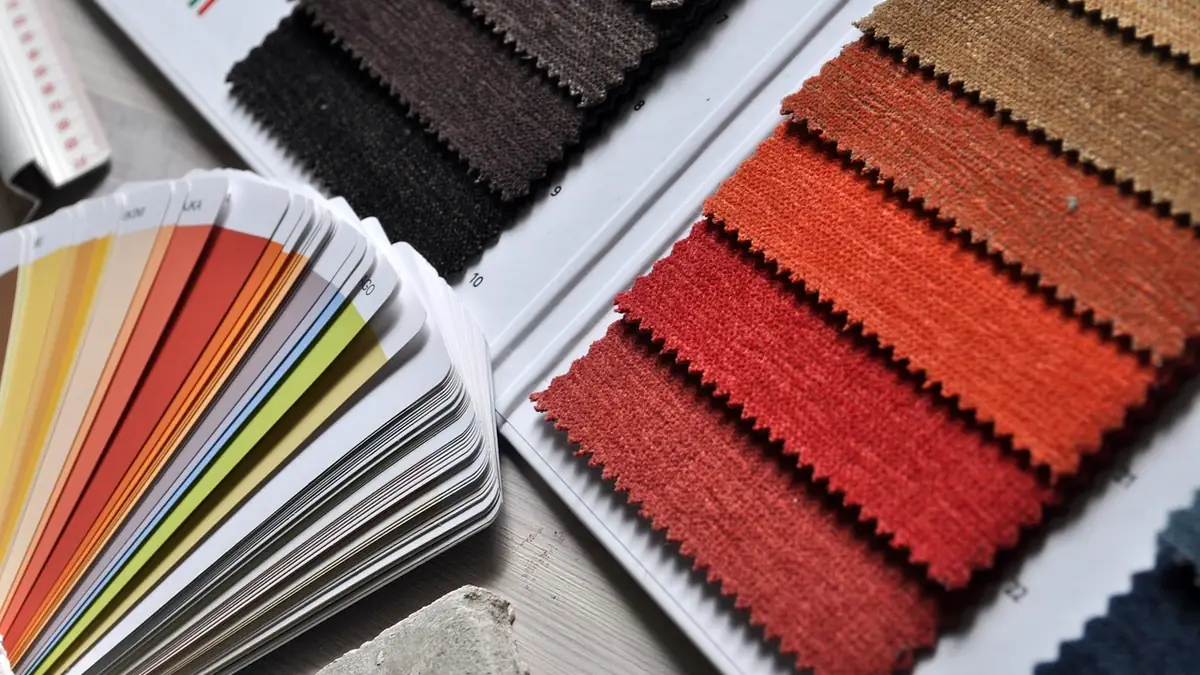
Planning a party is easier when your colors work together. Instead of grabbing random decorations, pick a palette that fits the month and let it guide your tableware, flowers, and even the frosting on your cake. This guide gives you a simple, month-by-month color scheme that looks intentional and polished.
Each palette includes three to four colors that harmonize, along with suggestions for how to use them in real life. We'll also share a comparison table of color schemes by season and a chart showing how many colors to use for different party sizes. Whether you're hosting a birthday, shower, or holiday gathering, these palettes will help you create a cohesive look without stress.
Why Seasonal Colors Matter
Seasonal colors do more than look pretty—they set a mood and signal the time of year. In spring, soft pastels feel fresh and light; in winter, deep jewel tones add warmth and elegance. Using a palette that aligns with the season makes your party feel intentional and helps guests immediately understand the vibe.
A cohesive color scheme also simplifies shopping. When you know your colors, you can easily mix and match items from different stores, and you avoid buying decorations that clash. Plus, seasonal colors are often readily available in stores during that time, so you'll have more options at lower prices.
Finally, a palette helps you coordinate food and drinks. For example, a fall palette of rust, gold, and brown works beautifully with apple cider and pumpkin desserts, while a summer palette of coral and turquoise pairs well with fruity cocktails and light salads.
- Spring: soft pastels like lavender, mint, and blush
- Summer: bright and bold like coral, turquoise, and lemon
- Fall: warm earthy tones like rust, mustard, and olive
- Winter: rich jewel tones like burgundy, emerald, and navy
Month-by-Month Color Palettes
January: Start the year with a clean, crisp palette of white, silver, and icy blue. This works well for winter birthdays or New Year's brunches. Use white tablecloths, silver accents, and blue glassware for a sophisticated look.
February: Embrace romance with red, pink, and blush. This palette is perfect for Valentine's Day or any love-themed celebration. Add gold accents for a touch of glamour.
March: Transition to spring with soft green, lavender, and pale yellow. These colors feel fresh and hopeful, ideal for Easter or spring showers.
April: Use pastel pink, mint, and baby blue for a classic spring palette. It's light and airy, great for baby showers or garden parties.
May: Brighten up with coral, sunny yellow, and turquoise. This combination is cheerful and works well for Mother's Day or outdoor gatherings.
June: Celebrate summer with bold colors like hot pink, orange, and lime green. This palette is energetic and fun for birthdays or pool parties.
July: Go patriotic with red, white, and blue, or try a nautical theme with navy, white, and red. Perfect for Fourth of July or summer barbecues.
August: Use warm tones like peach, gold, and terracotta for a late-summer feel. This palette is great for sunset-themed parties or casual get-togethers.
September: Ease into fall with rust, mustard, and olive green. These earthy tones are perfect for back-to-school or early autumn events.
October: Embrace Halloween with orange, black, and purple, or go for a more sophisticated fall palette of burgundy, gold, and brown.
November: Use deep reds, oranges, and browns for a cozy Thanksgiving vibe. Add metallic accents like copper or bronze.
December: Choose classic holiday colors like red, green, and gold, or try a winter wonderland theme with white, silver, and blue.
How to Apply Your Palette to Decor and Desserts
Once you've chosen your colors, apply them consistently across three main areas: tableware, flowers, and desserts. For tableware, use the dominant color for plates and napkins, and the accent colors for cups and utensils. This creates a balanced look without being overwhelming.
Flowers are an easy way to bring in your palette. Choose blooms in your colors or use neutral flowers and add ribbons in your accent shades. For desserts, consider frosting colors, sprinkles, and even the cake stand. A white cake with colored frosting and matching sprinkles ties everything together.
Don't forget lighting and background. If you're using a photo backdrop, incorporate your colors in balloons or fabric. Lighting can also enhance colors—warm white lights make reds and yellows pop, while cool white lights enhance blues and greens.
- Use 60% dominant color, 30% secondary, 10% accent
- Repeat colors in at least three places (e.g., napkins, flowers, cake)
- Keep food colors neutral if decor is bold
- Add texture with metallic or natural elements
Pairing Colors with Party Themes
Your color palette should complement your party theme. For a rustic theme, choose earthy tones like brown, green, and cream. For a modern theme, go for black, white, and a bright accent like fuchsia. For a vintage theme, soft pastels and gold work well.
If you're planning a specific event like a bridal shower, consider the bride's preferences and the wedding colors. For a kids' party, bright, primary colors are often a hit. The key is to keep the palette limited to three or four colors to avoid visual clutter.
You can also let the season dictate the theme. A fall harvest party naturally lends itself to a palette of orange, brown, and gold, while a summer luau calls for bright tropical colors like pink, yellow, and green.
| Season | Recommended Colors | Best for | Typical Guest Count | Budget Level |
|---|---|---|---|---|
| Spring | Lavender, mint, blush | Baby showers, Easter | 10-30 | Low to moderate |
| Summer | Coral, turquoise, lemon | Birthdays, pool parties | 20-50 | Moderate |
| Fall | Rust, mustard, olive | Thanksgiving, harvest | 15-40 | Moderate |
| Winter | Burgundy, emerald, navy | Holiday parties, New Year's | 20-60 | Moderate to high |
Budget-Friendly Ways to Use Seasonal Colors
You don't need to spend a lot to achieve a coordinated look. Start with inexpensive items like paper napkins, plates, and cups in your chosen colors. These can often be found at discount stores or online for a few dollars per pack.
Use natural elements to add color for free or low cost. In fall, gather fallen leaves and pinecones; in spring, cut branches from flowering trees. These add texture and color without breaking the bank.
DIY projects like painting mason jars or making paper garlands can also incorporate your palette. And don't overlook the power of food—a simple white cake with colored frosting and fresh fruit can be a stunning centerpiece.
- Shop after-season sales for deep discounts
- Use fabric remnants as table runners
- Print your own banners and signs
- Borrow items from friends or family
Common Color Mistakes to Avoid
One common mistake is using too many colors. Stick to three or four max, or your party will look chaotic. Another is ignoring the venue's existing colors—if the room has bright red walls, a red-based palette might be overwhelming.
Also, consider lighting. Colors look different under fluorescent versus natural light. Test your palette in the actual space if possible, or choose colors that are forgiving.
Finally, don't forget the food. If you're serving a colorful dish, it might clash with your decor. Opt for neutral plates and let the food be the pop of color.
Making It Work for Any Size Party
For small gatherings, you can afford to be more detailed with your color scheme—think personalized place cards and coordinated cocktail garnishes. For larger parties, focus on big-impact items like tablecloths, banners, and lighting.
The number of colors you use can also scale with party size. A small dinner party might use just two colors, while a large celebration can handle four. Our chart below shows recommended color counts by guest count.
Remember that consistency is key. Even with a large party, repeating your palette in key areas will make the design feel intentional.
- Choose a palette of 2-4 colors that fits the month and your theme.
- Apply colors consistently in tableware, flowers, and desserts.
- Use the 60-30-10 rule for balance: dominant, secondary, accent.
- Scale color count with party size—fewer colors for smaller gatherings.
Claire has spent years planning seasonal parties and baking for friends, family and community events. She writes practical guides on cake quantities, dessert tables and stress-free hosting. Her focus is on simple, tested advice that helps home bakers feel confident.