How to Match Cake Flavors to a Seasonal Menu
By Claire Whitmore · Published · 5 min read
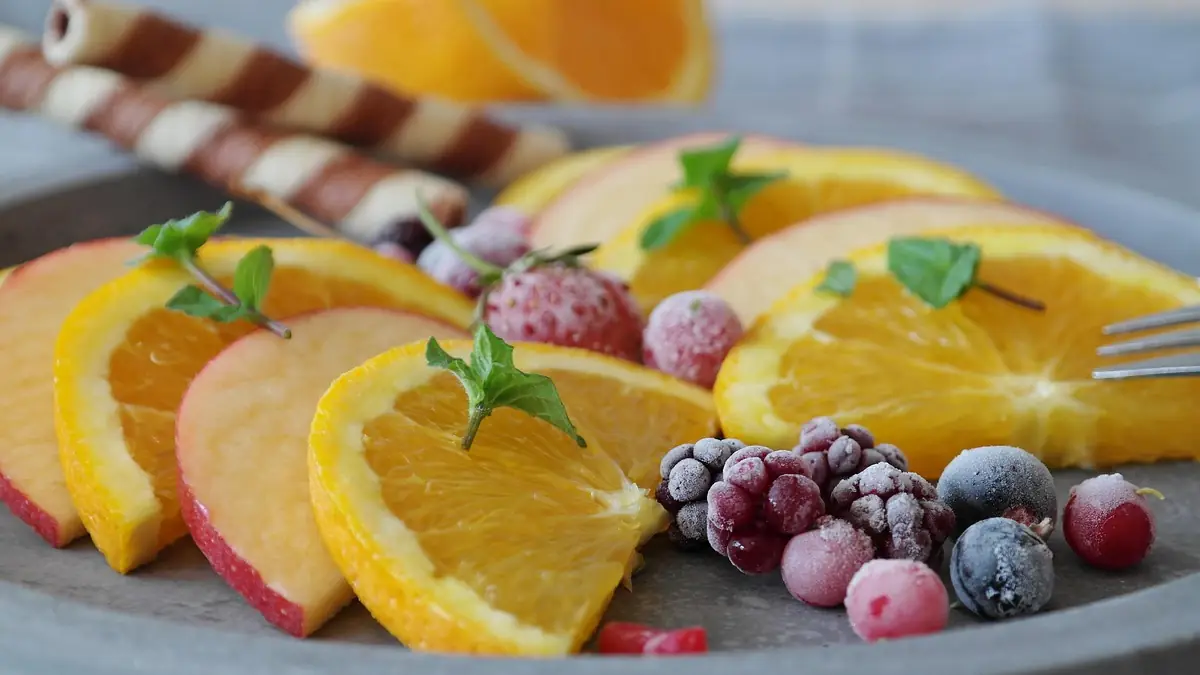
A cake that tastes like the season feels — bright berries in June, warm spice in November — does more than finish a meal. It signals that someone thought about the whole menu, not just the centerpiece. The trick is to build the cake around what's already good at the market that month, then match the frosting, texture, and size to the rest of the spread.
This guide walks through seasonal flavor pairings, how to keep a cake from clashing with the main course, and practical numbers for frosting and portioning. Use it as a starting point, then adjust to your crowd, your oven, and how much time you actually have.
Start With Peak Produce, Not a Recipe
The most reliable way to make a cake taste seasonal is to shop first and choose the recipe second. In late spring, that means rhubarb, strawberries, and early cherries; by high summer, stone fruit and berries are at their cheapest and sweetest. Autumn brings pears, apples, and figs, while winter leans on citrus, cranberries, and stored roots. A cake built around fruit at its peak needs less sugar and less fuss to taste good.
Check what's abundant and affordable the week of your party rather than weeks ahead. If strawberries are pale and expensive, a lemon-olive oil cake with citrus glaze will outperform a strawberry shortcake made with mediocre fruit. Frozen fruit is a fine fallback for compotes and fillings, but keep fresh fruit for the top layer where texture shows.
Write your menu first, then slot the cake in. If the main course is rich — braised short ribs, creamy pasta — choose a lighter cake with fruit or citrus. If dinner is light and herbal, a nutty brown butter cake or a modest chocolate torte balances the table without overwhelming it.
- Spring: rhubarb, strawberries, early cherries, lemon
- Summer: peaches, plums, raspberries, blueberries, corn
- Autumn: apples, pears, figs, pumpkin, hazelnut
- Winter: citrus, cranberry, ginger, chocolate, dried fruit
Match Frosting to Weather and Season
Frosting choice matters as much as the cake itself, especially outdoors. Buttercream holds up well in cool weather and air conditioning but can slump above roughly 75°F (24°C). Cream cheese frosting is tangier and pairs beautifully with carrot, spice, and berry cakes, but it's softer and less stable in heat. If your party is outdoors in July, consider a ganache glaze, a whipped cream cake served cold, or a naked cake with a thin buttercream scrape.
In winter, richer frostings feel right: dark chocolate ganache, brown butter buttercream, or a cream cheese frosting spiked with orange zest. These stand up to spiced cakes and hold well at room temperature. For a full breakdown of which frosting suits which cake, see Buttercream vs. Cream Cheese Frosting: Which to Use When.
Keep the frosting flavor in the same family as the cake. A delicate almond cake disappears under heavy dark chocolate; a bold devil's food cake can handle it. When in doubt, taste the cake crumb and frosting together before you commit to a full batch.
Build a Cohesive Menu Around the Cake
The cake should feel like the last sentence of the meal, not a separate course. If you're serving a seasonal dessert table with several sweets, choose a cake that fills a gap: something light and fruity if the rest is chocolate-heavy, or a single rich cake if the table is mostly fruit and meringue. A Beginner's Guide to Building a Dessert Table can help you plan the balance.
Consider color, too. A pale lemon cake with fresh berries looks right on a spring table; a dark gingerbread with cranberry compote suits a winter spread. Seasonal color palettes can guide linens and flowers as well as cake decoration — Seasonal Party Colors by Month: A Simple Palette Guide has month-by-month suggestions.
Don't forget dietary needs. A flourless chocolate torte or an olive oil citrus cake can satisfy gluten-free or dairy-light guests without looking like an afterthought. Label cakes clearly if the table is self-serve.
- Balance richness: pair a heavy main with a light, fruity cake
- Contrast textures: add crunch with nuts or a crisp base
- Offer one gluten-free or dairy-free option if the crowd is mixed
- Keep decorations edible and simple — fresh fruit, herbs, or a dusting of sugar
Portion and Scale With Real Numbers
Most layer cakes are cut into 12–16 slices for a dessert table, assuming other sweets are present. If cake is the only dessert, plan on 1.5–2 slices per guest for a hungry crowd. A 9-inch three-layer cake serves about 14–18 modest slices; a sheet pan (18x13 inches) yields 24–30 squares. Cupcakes run about 1.5–2 per person when other desserts are offered, or 2–3 if they're the main event.
Scaling a recipe up is rarely a simple multiplication. Baking powder, leavening, and liquid ratios don't always double cleanly, and larger batches need longer mixing and more careful folding. For guidance on multiplying a recipe without wrecking the crumb, see How to Scale a Cake Recipe for a Larger Crowd. If you're serving cupcakes alongside cake, How Many Cupcakes per Person for a Party? gives practical counts.
Bake in batches you can handle. Two smaller cakes bake more evenly than one oversized one, and you can freeze layers a week ahead, wrapped tightly, to spread the work.
- 9-inch round, 3 layers: 12–16 slices
- Sheet pan (18x13 in): 24–30 squares
- Cupcakes: 1.5–2 per guest with other desserts
- Freeze unfrosted layers up to 1 month, wrapped well
Plan the Timeline Around Your Season
Seasonal cakes often depend on fresh fruit, which means the final assembly happens close to serving. Bake and freeze the layers earlier in the week, make frostings two days ahead, and prep fruit the morning of. If you're using a perishable filling like whipped cream or fresh berry compote, assemble within a few hours of the party and keep the cake cool until serving.
For a larger event, work backward from the date. A simple timeline: two to three weeks out, finalize the menu and order specialty ingredients; one week out, bake and freeze layers; two days out, make frosting and compote; day before, set the table and prep decorations; morning of, assemble and chill. A fuller schedule is in Party Planning Timeline: 8 Weeks to the Day.
Weather is part of the timeline. In hot months, avoid buttercream-heavy designs that need hours at room temperature. In cold months, you have more leeway, but watch for drafts that can dry out exposed cake.
Simple Flavor Pairings That Work
Some combinations are reliable across seasons because they balance sweetness, acid, and fat. Strawberry with lemon and cream cheese; peach with almond and brown butter; apple with cinnamon and caramel; pear with hazelnut and dark chocolate; cranberry with orange and ginger. Each pair brings fruit, a nutty or dairy note, and a spice or acid to keep it from tasting flat.
Build your own pairing by choosing one fruit, one fat (butter, cream, nut, chocolate), and one accent (citrus zest, spice, herb, or a splash of liquor). Keep accents light — a little rosemary in a lemon cake is lovely; too much tastes like a candle.
Test unfamiliar combinations in a small batch of cupcakes before committing to a full cake. It's easier to adjust a dozen cupcakes than a three-layer centerpiece.
- Spring: strawberry + lemon + cream cheese
- Summer: peach + almond + brown butter
- Autumn: apple + cinnamon + caramel
- Winter: cranberry + orange + ginger
| Season | Cake base | Frosting / filling | Accent | Slices per 9-inch 3-layer cake |
|---|---|---|---|---|
| Spring (Mar–May) | Lemon olive oil | Cream cheese | Fresh strawberries | 12–16 |
| Early summer (Jun) | Vanilla sponge | Whipped cream | Rhubarb compote | 12–14 |
| High summer (Jul–Aug) | Almond sponge | Brown butter buttercream | Peaches | 14–18 |
| Early autumn (Sep) | Apple spice | Caramel buttercream | Toasted pecans | 14–18 |
| Late autumn (Oct–Nov) | Pumpkin or pear | Cream cheese | Candied ginger | 12–16 |
| Winter (Dec–Feb) | Gingerbread | Dark chocolate ganache | Cranberry compote | 14–18 |
- Choose fruit at its peak, then pick the recipe — not the other way around.
- Match frosting stability to the weather; buttercream and cream cheese soften above about 75°F (24°C).
- Plan 12–16 slices per 9-inch three-layer cake on a dessert table, more if cake is the only sweet.
- Bake and freeze layers ahead; assemble perishable fillings within hours of serving.
Claire has spent years planning seasonal parties and baking for friends, family and community events. She writes practical guides on cake quantities, dessert tables and stress-free hosting. Her focus is on simple, tested advice that helps home bakers feel confident.