A Checklist for Hosting Your First Afternoon Tea
By Claire Whitmore · Published · 5 min read
Hosting your first afternoon tea can feel like a lot: three courses, hot tea, and a table that has to look effortless. The trick is to work backwards from the start time and spread the jobs over two weeks so nothing lands on the final morning.
This checklist walks you through what to do at each stage, with realistic quantities and make-ahead notes. Follow it loosely—your oven, guest list, and nerve levels will set the real pace—and you'll sit down with your guests instead of hovering by the sink.
Two Weeks Out: Guest List, Menu, and Gear
Lock the guest list first, because everything else scales from it. Afternoon tea usually means finger food, so plan on 4–6 savoury bites, 3–4 scones, and 3–4 sweet bites per person, plus one pot of tea per 4–6 guests. For a first time, keep the menu to two savouries, one scone, and two sweets—fewer items, better execution.
Check your gear now: do you have enough teacups, small plates, and a tiered stand (or three cake stands at different heights)? If you're short on cups, borrow or mix patterns—it reads as charm, not chaos. Also confirm any allergies and whether anyone is vegetarian, since sandwich fillings are easiest to adapt early.
This is also the week to decide whether you're baking from scratch or buying components. A mix of both is sensible: make your scones and one sweet yourself, and buy good bread, jam, and maybe the second sweet. If you're watching costs, our guide to what it costs to bake a cake from scratch helps you compare.
- Send invites with start and end times (2–2.5 hours is plenty).
- Confirm allergies and dietary needs.
- Count cups, plates, forks, and napkins—aim for 1.5 cups per guest.
- Choose two savouries, one scone, two sweets.
- Plan one make-ahead item per course.
One Week Out: Shop, Bake, and Freeze
Do the non-perishable shop now: tea, flour, sugar, butter, jam, and any extracts. For tea, plan on 1–2 tea bags or 1 teaspoon of loose leaf per cup, and offer at least one caffeine-free option. A simple lineup of English breakfast, Earl Grey, and a herbal infusion covers most crowds.
Bake anything that freezes well: scones freeze beautifully for up to a month, and many cakes and cookies do too. Wrap tightly and label. If you're making lemon curd or a frosting, do it now and refrigerate. This is also the moment to test a new recipe rather than debut it on the day.
If you're serving cake as part of the spread, decide between a sheet cake and a layer cake based on guest count and how much room you have on the table. Our comparison of sheet cake vs. layer cake cost and servings can help you pick a size that won't leave you with half a cake.
Three Days Out: Prep Savouries and Set the Table
Make your sandwich fillings and store them separately from the bread—egg salad, smoked salmon with cream cheese, cucumber with salted butter, or chicken salad all hold well for 2–3 days. Slice cucumbers and radishes and keep them in water in the fridge so they stay crisp.
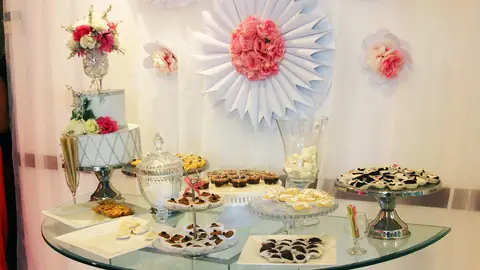
Wash and iron your linens, polish the teapots, and decide the table layout. A classic three-tier stand goes savouries on the bottom, scones in the middle, sweets on top, but any sturdy stack works. Set out serving pieces with sticky notes so anyone helping you knows what goes where.
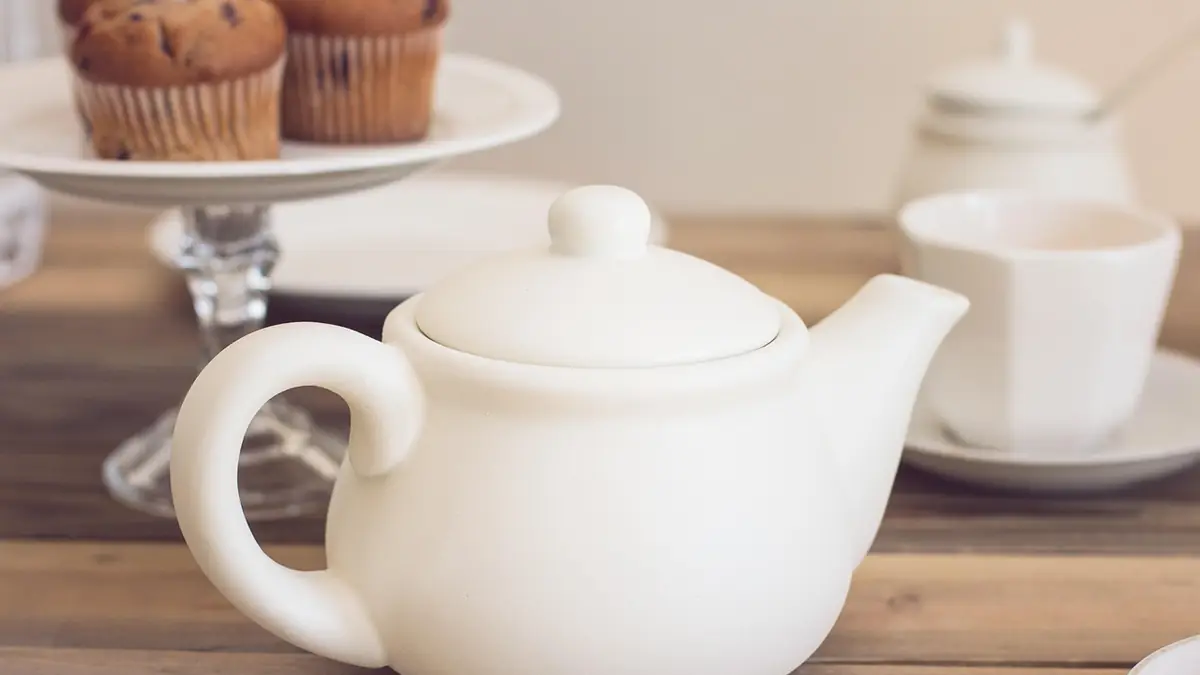
Check your tea-making equipment: a kettle that boils quickly, a teapot that pours cleanly, and a strainer if you're using loose leaf. If you're serving more than eight, consider brewing in two pots so the tea stays hot.
- Make and refrigerate sandwich fillings.
- Wash and crisp salad vegetables.
- Iron linens and polish teapots.
- Label serving pieces for helpers.
- Test the kettle and teapot.
The Day Before: Bake, Chill, and Set Up
Bake your scones if you didn't freeze them, or move them from freezer to fridge to thaw overnight. Make your cake or traybakes and store them airtight. If you're using a frosting that needs chilling, our guide to buttercream vs. cream cheese frosting explains which holds up best at room temperature.
Set the table completely—plates, cups, cutlery, napkins, and the stand (empty). Fill sugar bowls and small jugs, and put out the tea selection. Lay out your serving plan on a piece of paper: what goes in the oven when, what comes out of the fridge at what time.
Chill any drinks and make a pitcher of water with lemon. If you're serving prosecco or elderflower presse, get it cold now. Also, decide where coats and bags will go, and clear a landing spot near the door.
The Morning Of: Fresh Sandwiches and Final Touches
Assemble sandwiches no more than 2–3 hours before serving, and keep them covered with a damp paper towel or cling film. Cut them into neat fingers or triangles—crusts on or off is your call, but be consistent. Arrange them on a platter and refrigerate until 20 minutes before the start.
Warm scones for 8–10 minutes in a low oven (about 150°C/300°F) just before guests arrive, or serve them at room temperature if they're fresh. Whip cream only if you're serving it—otherwise, good butter and jam are enough. Fill teapots with hot water to warm them, then empty and brew fresh pots as guests sit.
Do a final sweep: clear the sink, put out a bin for used tea bags, and check the bathroom. Set out a small plate for each guest and a shared plate for each course. If you're short on time, remember that no one notices a slightly messy kitchen as much as they notice you looking relaxed.
- Assemble sandwiches 2–3 hours ahead, keep covered.
- Warm scones at 150°C/300°F for 8–10 minutes.
- Warm teapots, then brew fresh.
- Set out shared plates for each course.
- Clear the sink and check the bathroom.
During Tea: Pacing, Pouring, and Refills
Start with savouries and tea, then move to scones, then sweets. This pacing keeps the table from feeling crowded and gives you time to brew fresh pots. Offer tea every 15–20 minutes; a pot usually serves 4–6 cups, so with eight guests you'll want two pots in rotation.
Pour tea first for guests, then yourself. If you're using loose leaf, a strainer over each cup is easiest. Keep a small jug of hot water on the table for anyone who wants to dilute a strong brew. Refill plates without fuss—pass platters rather than reaching across.
If you're serving cake, slice it after the scones so it doesn't compete. And if you're planning a larger spring gathering, our spring party budget plan has cost-saving ideas that apply to tea parties too.
| Item | Typical range per person | Notes |
|---|---|---|
| Savoury bites (sandwiches, tarts) | 4–6 pieces | 2–3 finger sandwiches if no other savoury |
| Scones | 2–3 small scones | Serve with jam and clotted or whipped cream |
| Sweet bites (cakes, cookies) | 3–4 small pieces | 2 if cake is served as a separate course |
| Tea | 2–3 cups | 1 tea bag or 1 tsp loose leaf per cup |
| Cream and jam | 1–2 tbsp cream, 1 tbsp jam per scone | Buy 200ml cream per 4 guests |
After the Last Teapot: Cleanup and Leftovers
Don't rush the cleanup while guests are still there—stack dishes out of sight and sit down. Once everyone has gone, scrape plates and soak teapots in hot water immediately; tea stains set quickly. Most leftovers keep 2–3 days in the fridge, but sandwiches are best eaten the same day.
Store scones airtight for up to two days, or freeze them. Cakes keep 3–5 days if well wrapped; our guide to how long a baked cake stays fresh gives exact storage times. Write a short note on what worked and what didn't—next time will be easier.
Finally, send a quick thank-you text or email the next day. It's a small gesture that makes guests feel cared for and gives you a natural moment to ask for honest feedback.
- Work backwards from start time: guest list and menu two weeks out, shopping and freezing one week out.
- Plan 4–6 savoury bites, 2–3 scones, and 3–4 sweet bites per guest, with 2–3 cups of tea each.
- Make sandwiches no more than 2–3 hours ahead and warm scones just before serving.
- Set the table the day before and keep a written serving plan so the morning stays calm.
Claire has spent years planning seasonal parties and baking for friends, family and community events. She writes practical guides on cake quantities, dessert tables and stress-free hosting. Her focus is on simple, tested advice that helps home bakers feel confident.