Anne of Green Gables Tea Party: A Complete Planning Guide
- Published
- min read
- 5
An Anne of Green Gables tea party works because the books are full of food that is easy to make and easy to serve: raspberry cordial, layer cakes, sandwiches cut thin, scones, preserves and pots of tea. You do not need a farmhouse in Prince Edward Island to pull it off. A garden table, a few borrowed china cups and a menu that can be made ahead will get you most of the way there.
The trick is to plan like a host rather than a set decorator. Pick a menu you can actually finish in one afternoon, work out how much food each guest will eat, and decide what can be baked two days out. Below is a workable plan with quantities, timings and the small details that make the theme read clearly without turning the party into a costume parade.
Set the Scene Without Overdoing It
The Avonlea look is simple: mismatched china, a checked cloth, wildflowers in jam jars, and a cake on a raised stand. You do not need props to signal the theme. Mixing patterns is the point, so borrow cups and plates rather than buying a matched set you will use once. A plain white or gingham tablecloth makes busy china look deliberate instead of messy.
For flowers, keep to what is in season and cheap: daisies, cornflowers, small roses, lavender. Cut stems short and use narrow jars so they do not block conversation across the table. If you are outdoors, weigh the cloth down and keep the food in the shade. Heat is the main enemy of buttercream and cream fillings, and a warm afternoon can soften a cake within an hour.
- Mismatched cups and plates, borrowed rather than bought
- Gingham or plain white cloth as the base
- Jam jars of short-stemmed seasonal flowers
- One raised cake stand as the centrepiece
- Handwritten place cards or menu cards for charm
Build a Menu You Can Finish
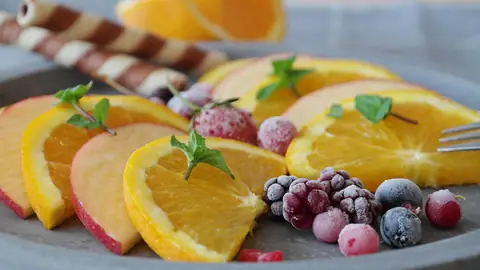
A tea party menu needs contrast in texture and temperature, not sheer volume. Aim for three savoury items and three sweet ones, plus tea. Thin sandwiches (cucumber, egg, smoked salmon) cut into fingers, small scones with jam and cream, and one showpiece layer cake cover most of it. Add a bowl of berries and you have enough variety for a two-hour party.
Raspberry cordial is the obvious nod to the story, but the book's version is a sweet, non-alcoholic drink, so serve it diluted over ice in a jug. For a grown-up table, a spoonful of raspberry syrup in a glass of chilled sparkling water does the same job. Keep hot tea in two pots, one regular and one caffeine-free, so guests are not stuck with a single option.
- Three savoury items: finger sandwiches, scones, one warm bite
- Three sweet items: layer cake, shortbread, berries or tarts
- One jug of raspberry cordial, well diluted
- Two tea pots: one regular, one herbal or decaf
- Milk and lemon in small jugs, sugar in a bowl
How Much Food per Guest
For a two-hour afternoon tea, plan on roughly four to six small savoury pieces and two to three sweet pieces per person, plus cake. A 9-inch two-layer cake serves about 12 to 16 at a tea party where slices are modest; if cake is the only dessert, budget on the larger side. If you are also serving tarts and shortbread, a smaller slice each is plenty.
Tea is easy to underestimate. Allow about two to three cups per guest over two hours, which means roughly 1 to 1.5 litres of brewed tea for every four people, plus a non-tea option. If you are unsure of your headcount, bake to the higher number for savouries, which freeze well, and the lower number for sweets. For more precise numbers, see how many cupcakes per person for a party.
A Two-Day Prep Timeline
Two days out, bake the cake layers and the shortbread, and make the cordial syrup. Wrap the layers tightly and store them at room temperature; most sponge and butter cakes improve overnight. One day out, make the fillings and frost the cake if you are using a sturdy buttercream, then refrigerate it and bring it to room temperature an hour before serving. Sandwich fillings are best made the morning of.
On the day, brew tea close to serving, cut sandwiches no more than an hour ahead and cover them with a damp cloth, and set out the scones warm if you can. If you are scaling the cake up for a bigger crowd, the maths gets awkward fast, so use a guide on how to scale a cake recipe for a larger crowd before you start multiplying ingredients.
- Two days out: bake layers, shortbread, cordial syrup
- One day out: fillings, frosting, chill the cake
- Morning of: sandwich fillings, cut and cover
- One hour before: cake out of the fridge, table set
- Just before serving: brew tea, warm scones
Frosting and Warm-Weather Woes
If your tea party is in a garden in summer, frosting choice matters more than decoration. A buttercream made with a higher proportion of butter to sugar holds up better than a soft cream cheese frosting, which slackens quickly above about 24°C. Cream cheese frosting is lovely on a cool morning but risky on a sunny afternoon table. A quick comparison of the two is in buttercream vs. cream cheese frosting.
- Choose buttercream over cream cheese for outdoor tables
- Chill the frosted cake for 30 minutes before display
- Keep the cake stand in shade, never direct sun
- Serve cream and jam from a cooler or insulated bag
- For hot days, read how to keep frosting from melting at outdoor parties
Hosting Notes That Make It Feel Easy
Seat people in mixed groups rather than letting couples pair off, and keep the tea pouring station at one end so guests have a reason to move around. Have a jug of iced water on the table regardless of the theme. If children are coming, set a lower table with sturdier cups and a shorter menu, and keep the cordial well diluted.
Finally, decide in advance how you will cut and serve the cake so you are not doing geometry in front of guests. A sharp knife, a jug of hot water to wipe it between cuts, and a plan for portion size will keep slices neat. If you want to stretch a single cake further, see how to cut a cake for maximum servings.
| Guest count | Savoury pieces | Sweet pieces (excl. cake) | Tea to brew | Cake size |
|---|---|---|---|---|
| 6 | 24-36 | 12-18 | 2-3 L | 7 in, 2 layers |
| 10 | 40-60 | 20-30 | 3-4 L | 8 in, 2 layers |
| 12 | 48-72 | 24-36 | 4-5 L | 9 in, 2 layers |
| 16 | 64-96 | 32-48 | 5-6 L | 9 in, 3 layers |
| 20 | 80-120 | 40-60 | 6-8 L | 10 in, 3 layers |
Budgeting the Whole Thing
A tea party for twelve is usually cheaper than a dinner party, mostly because the ingredients are flour, butter, eggs, sugar and seasonal produce. The costs that creep up are china, flowers and tea. Borrowing china and using garden flowers keeps the spend low. Butter and cream are the two ingredients that move the total most, so buy them on offer and freeze butter ahead.
If you are baking from scratch, it helps to know where the money actually goes before you commit to a three-cake menu. A breakdown of ingredient and energy costs is in what it costs to bake a cake from scratch.
Key points
- Plan three savoury and three sweet items plus tea; more variety is rarely needed
- Budget four to six savoury and two to three sweet pieces per guest for a two-hour tea
- Bake cake layers and shortbread two days ahead; make sandwich fillings on the day
- Use buttercream rather than cream cheese frosting if the table is outdoors or warm
Cake Serving Calculator
Work out how much cake you need for your guest list and how many batches to bake. Enter your guest count and pan size to get servings, cake size and ingredient scaling at a glance.