April 2017 Archive: Seasonal Party Planning and Baking
By Claire Whitmore · Published · 3 min read
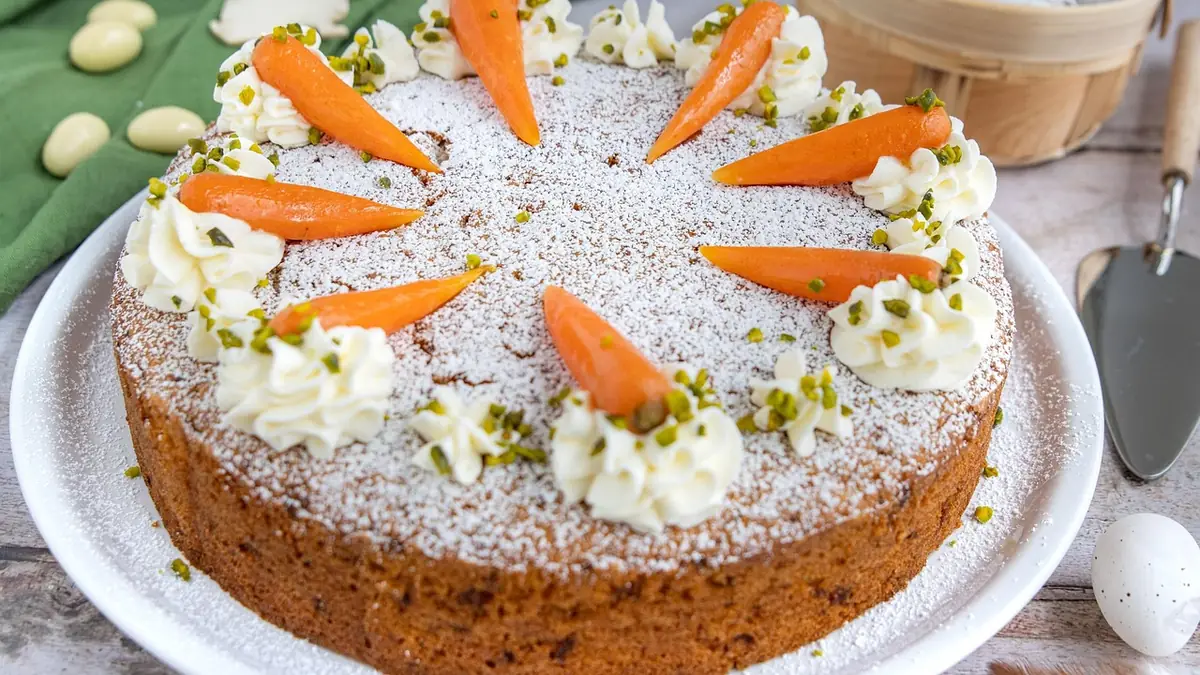
April is the month when party planning and baking calendars collide: Easter weekend, spring birthdays, confirmations, and the first garden gatherings all land within a few short weeks. This archive gathers everything we published that month, from frosting decisions to the arithmetic of feeding a crowd without guessing.
Browse the posts below, or use the sections that follow to find the guidance you need. Each entry links to the full article, with the numbers, timelines, and make-ahead notes we rely on ourselves.
Spring Celebrations and the April Calendar
April weekends fill up fast. Between Easter, school holidays, and the first warm-weather birthdays, most households end up hosting something at least once. The trick is to plan backwards from the date and decide early what you will make yourself and what you will buy or delegate.
Weather also plays a role. A garden party in April might mean 12°C and drizzle or 22°C and sunshine, so plan for both. Anything with cream, meringue, or a delicate glaze is safer indoors or in a cool box, while sturdy traybakes and loaf cakes travel well to a park or patio.
If you are hosting an afternoon tea, our checklist for hosting your first afternoon tea covers the order of preparation, from sandwiches to scones, so nothing is left to the last ten minutes.
- Book the date two to three weeks ahead for anything over 15 guests
- Check for bank holidays and school breaks before choosing a weekend
- Have an indoor backup for anything involving cream or meringue
- Keep a simple traybake in the freezer as a buffer for unexpected guests
Serving Math: How Much Cake Do You Actually Need?
The single most common April mistake is over-baking. A standard round cake serves roughly 8 to 12 people depending on the slice size, and a 9x13-inch sheet cake yields 20 to 24 portions at roughly 5x5 cm each. Cut thinner slices than you think you need; guests who want more can come back, but leftovers rarely get eaten.
For cupcakes, plan on two to three per guest if cake is the only dessert, and one to one and a half if there is also a pudding or a cheese course. Our guide on how many cupcakes per person for a party breaks this down by event type, including children's parties where the numbers run higher.
- Round cake: 8 to 12 servings
- 9x13-inch sheet cake: 20 to 24 servings
- Cupcakes: 2 to 3 per guest as the sole dessert
- Allow one extra portion per ten guests as a buffer
Sheet Cake or Layer Cake? Choosing by Cost and Crowd
Sheet cakes are cheaper and faster to decorate, and they slice into neat, equal portions with almost no waste. Layer cakes look more celebratory and suit smaller, seated gatherings where presentation matters as much as portion count. The cost difference is mostly frosting and time, not ingredients.
Our comparison of sheet cake versus layer cake cost and serving sets out the per-portion figures side by side, which helps when a client or a family member asks why one option costs more. As a rough rule, a decorated layer cake takes one and a half to two times as long to finish as a frosted sheet cake of the same volume.
Frosting Decisions for Warmer Weather
Buttercream holds its shape and tolerates a warm room far better than cream cheese frosting, which softens quickly and can slide off a cake above about 24°C. If your April party is outdoors or the kitchen runs hot, a Swiss or Italian meringue buttercream is the sturdier choice.
Cream cheese frosting still has its place on carrot cake, red velvet, and anything with a tangy fruit filling. Our guide to buttercream versus cream cheese frosting explains when each one earns its place, including which holds up overnight and which needs refrigerating until an hour before serving.
- Buttercream: stable up to roughly 24 to 26°C
- Cream cheese frosting: refrigerate and serve within two hours of removing
- Meringue buttercreams tolerate heat best but take longer to make
- Frost cakes the day before for the cleanest slice
Scaling Recipes Without Wrecking the Bake
Doubling a cake recipe is rarely as simple as multiplying everything by two. Leavening agents, salt, and liquid do not always scale linearly, and pan depth changes baking time significantly. A recipe doubled into the same depth of batter in a wider tin will bake faster and brown more on top.
Our walkthrough on how to scale a cake recipe for a larger crowd gives practical multipliers for 1.5x, 2x, and 3x batches, plus the pan sizes that match. When in doubt, bake in two batches rather than risk a sunken centre you discover at the party.
| Dessert | Typical servings | Best for | Make-ahead window |
|---|---|---|---|
| 20 cm round layer cake | 8-12 | Seated birthdays | 1-2 days, refrigerated |
| 9x13-inch sheet cake | 20-24 | Crowds, buffet tables | 2 days, wrapped |
| Cupcakes | 12 per batch | Children's parties, picnics | 1 day frosted, 1 month unfrosted frozen |
| Loaf cake | 8-10 | Afternoon tea, casual visits | 3 days, or 2 months frozen |
| Traybake (brownies, flapjack) | 16-24 squares | Large informal gatherings | 4-5 days in a tin |
The Real Cost of Baking from Scratch
Butter, eggs, and chocolate drive most of the cost of a homemade cake. In our experience, a simple 20 cm sponge costs a modest amount in ingredients, while a layered chocolate cake with ganache runs three to four times that. Decorations, sprinkles, and specialty extracts add more than most people expect.
Our breakdown of what it costs to bake a cake from scratch lists typical ingredient prices and shows where buying a ready-made cake is genuinely cheaper. For large events, the savings from scratch baking usually come from labour you are willing to give, not from the shopping list.
- Plan portions before you plan recipes: 8 to 12 per round cake, 20 to 24 per sheet cake
- Choose buttercream over cream cheese frosting for warm or outdoor April events
- Scale recipes in batches rather than multiplying everything at once
- Bake sturdy items like loaf cakes and traybakes several days ahead and freeze what you can
Claire has spent years planning seasonal parties and baking for friends, family and community events. She writes practical guides on cake quantities, dessert tables and stress-free hosting. Her focus is on simple, tested advice that helps home bakers feel confident.