November Party Planning: Colors, Cakes and Cozy Baking
By Claire Whitmore · Published · Updated · 5 min read
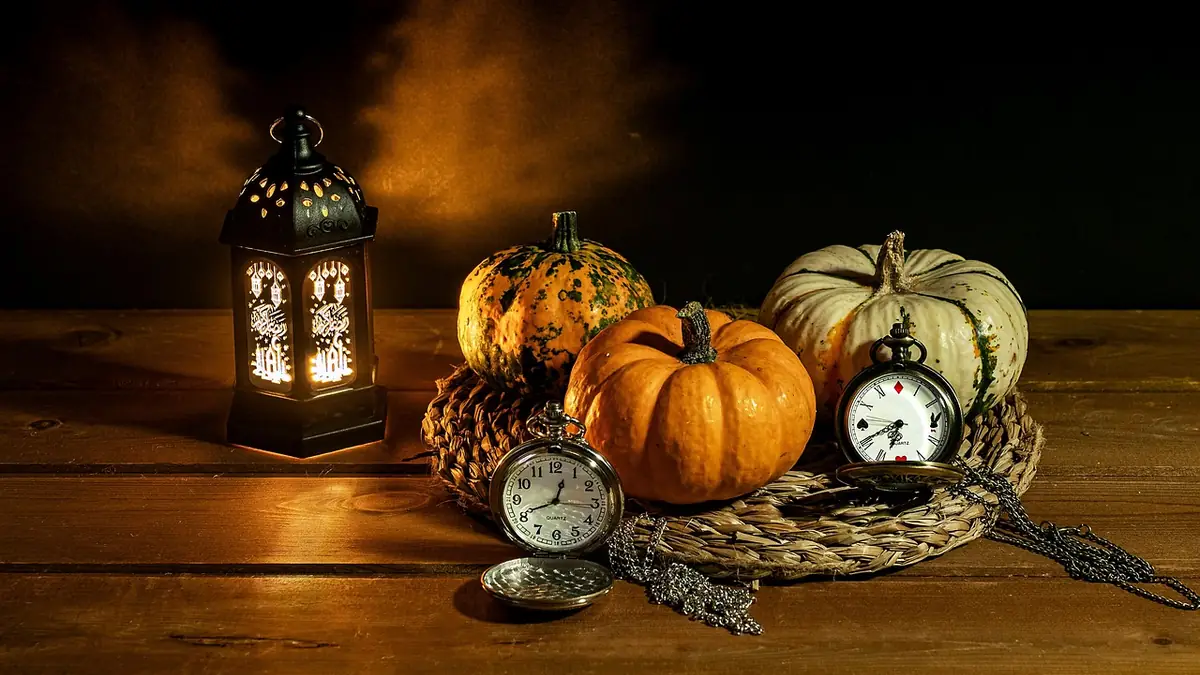
November sits in an awkward but lovely spot on the party calendar: the garden is done, the holidays are close, and guests are happy to stay indoors for something warm. It is the month for amber and plum, cinnamon in everything, and a table that feels generous rather than fussy.
Here is a practical guide to putting that together without overbuying or overbaking. You will find sensible numbers for cake sizing, a palette that works in low light, and a rough budget to keep the whole thing in proportion.
Start with a Palette That Suits Grey Light
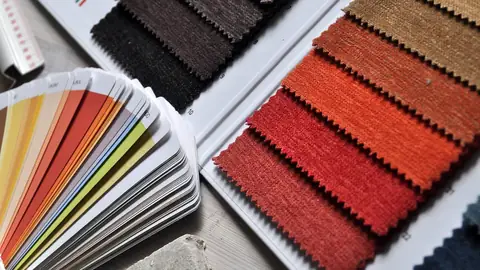
November light is soft, cool and short, which flattens pastel colours and makes white-on-white tables look washed out. Reach for depth instead: burnt orange, mustard, deep plum, chocolate brown and a little antique gold. These read warmly under lamps and candles, and they photograph well even at four in the afternoon when the sun has already gone.
Build the palette around one dominant tone and two supporting ones, then let a metallic do the lifting. A rust linen runner with mustard napkins and brass candlesticks costs very little and looks intentional. If you are planning several events across the season, a month-by-month palette reference keeps you from re-buying the same things in slightly different shades. Seasonal Party Colors by Month: A Simple Palette Guide is a useful starting point for that.
Keep greenery simple and seasonal: eucalyptus, bay, rosemary sprigs and small gourds do more than a big floral centrepiece. Low arrangements matter because guests actually want to talk across the table, and November gatherings tend to be seated and long rather than standing and short.
- One dominant colour, two supporting tones, one metallic
- Choose deep rust, plum, mustard, brown or antique gold
- Keep centrepieces under about 25 cm so people can see across
- Use rosemary, bay and eucalyptus for cheap seasonal greenery
Choose the Cake Format Before You Choose the Recipe
The most common November baking mistake is picking a recipe first and worrying about servings later. Work backwards from the guest count. A two-layer 20 cm round cake serves roughly 12 to 16 modest slices; a 23 by 33 cm sheet cake cut into 5 by 8 cm pieces yields about 24 portions and is far easier to transport and slice at a buffet.
Format also drives cost and effort. A sheet cake uses one bake, one batch of frosting and no stacking, while a tall layer cake needs chilling, levelling and often double the frosting. If you are feeding a crowd of 30 or more, a sheet cake plus a second smaller round for the candles is the practical route. Sheet Cake vs. Layer Cake: Cost and Serving Comparison breaks down the numbers side by side.
Write the serving count on your shopping list, not just the recipe name. It stops the quiet overbaking that leaves you with two extra cakes and no freezer space.
- 20 cm round, two layers: about 12–16 slices
- 23 x 33 cm sheet cake: about 24 portions at 5 x 8 cm
- Tall layer cakes need chilling time and roughly double the frosting
- For 30+ guests, pair one sheet cake with a small round
Scale the Recipe Honestly
Doubling a cake recipe is not always a straight multiplication. Leavening, salt and strong flavourings such as cinnamon or espresso powder usually scale at about 1.5 times when you double the batter, not 2 times, or the cake turns soapy or bitter. Eggs scale exactly, and fat and sugar scale exactly, but keep an eye on the total batter volume against your tin depth.
Batter should fill a tin to roughly two-thirds, never more, or you get a domed top and a raw centre. If your scaled batch exceeds that, bake in two tins and freeze one. Most sponge and butter cakes freeze well for up to a month wrapped tightly, which is the single best way to get ahead in a busy month.
For larger events, it is worth doing the arithmetic once on paper: tin volume, batter volume, baking time and cooling time. Baking time does not double with batter depth; it typically increases by 15 to 25 minutes and needs checking early. How to Scale a Cake Recipe for a Larger Crowd walks through the volume maths step by step.
Pick a Frosting That Survives a Cold Room
November rooms are often cool, which is kind to buttercream and unkind to anything with a high water content. American buttercream holds a piped edge for hours and takes deep colours well, though it is sweet; a cream cheese frosting tastes brighter but softens quickly and needs refrigeration if the room warms up.
Match the frosting to the timeline. If the cake is decorated the morning of the party and sits out for three hours, either works. If you are frosting two days ahead, buttercream is the safer bet. Ganache is the most forgiving of all and needs nothing more than a cool cupboard.
Flavour should follow the palette: brown butter, maple, toasted hazelnut, orange zest and dark cocoa all suit the month. Keep the cake itself simpler than the frosting so the whole slice does not taste like one note. Buttercream vs. Cream Cheese Frosting: Which to Use When covers stability, sweetness and colouring in more detail.
Budget and Timing for a Small Gathering
For 12 to 16 guests, a comfortable spend is usually $80 to $150 if you are baking the cake yourself and providing drinks, snacks and simple decorations. The cake ingredients typically land between $12 and $25; drinks are the biggest variable, and a single warm punch or a pot of good coffee keeps costs down and suits the season better than a full bar.
Timing matters more than money. Bake and freeze the cake a week ahead, make the frosting the day before, and set the table the night before. On the day, you should be doing three things: assembling, warming food and greeting people. Anything else is a sign the plan was too ambitious.
Write a short run sheet with times rather than a to-do list. It is the difference between a host who sits down and one who is still looking for the icing sugar when the doorbell rings. A Checklist for Hosting Your First Afternoon Tea follows the same logic and works well for an afternoon format.
- Cake ingredients for 16: roughly $12–$25
- Total food and drink for 12–16 guests: about $80–$150
- Freeze the cake up to a month ahead; frost the day before
- Set the table the night before and keep the day for assembly only
| Format | Typical servings | Bake and prep time | Frosting needed | Best for |
|---|---|---|---|---|
| 20 cm round, 2 layers | 12–16 | 2–2.5 hrs | About 400–500 g | Seated dessert with candles |
| 23 x 33 cm sheet cake | 24 (5 x 8 cm pieces) | 1.5–2 hrs | About 500–600 g | Buffet and larger crowds |
| 20 cm round, 3 layers | 16–20 | 3–3.5 hrs plus chilling | About 700–900 g | A centrepiece cake |
| Two 20 cm rounds | 24–32 | 3–3.5 hrs | About 800 g–1 kg | Crowds over 25 |
| Cupcakes, 24 | 24 | 1.5 hrs | About 500 g | Standing, mixed-age groups |
Drinks and Small Bites That Carry the Theme
A single warm drink does more for a November table than a selection of cold ones. Spiced apple cider, mulled cranberry juice or a strong pot of coffee with warmed milk all fit the palette and can be made in quantity and held in a slow cooker or thermos. Offer one cold option, still or sparkling water with citrus, and you are done.
Food should be room-temperature stable and easy to eat standing or seated. Think savoury shortbread, cheese and chutney, small sausage rolls, roasted squash tart cut into squares, and a bowl of spiced nuts. Two warm items, three cold ones and the cake is plenty for an afternoon or early evening gathering.
Label nothing and fuss over nothing. Guests remember whether the room felt easy, not whether the napkins matched the gourds, so leave a little slack in the plan and let the cake be the centre of it.
- Pick the cake format from the guest count, not the other way round
- Deep rust, plum and mustard read better than pastels in November light
- Buttercream and ganache are the safest frostings for a cool room and a long table
- Bake and freeze a week ahead so the party day is only assembly
Claire has spent years planning seasonal parties and baking for friends, family and community events. She writes practical guides on cake quantities, dessert tables and stress-free hosting. Her focus is on simple, tested advice that helps home bakers feel confident.